Opening a Market Without Opening an Office: A 30-Day Playbook
By Jamila Parker · · 8 min read

A practical 30-day playbook for entering a new market with virtual phone numbers, local routing, CRM workflows, compliance checks and measurable lead handling.
Key takeaways
- Choose the number type and routing model around the customer journey, not just the country name.
- Capture source, ownership and next action as soon as a lead arrives.
- Check current numbering and compliance requirements before publishing a local or geographic number.
- Use reporting to compare qualified outcomes, not only call volume.
- Test voice, routing, fallback and CRM behaviour before launch.
Opening a Market Without Opening an Office: A 30-Day Playbook is primarily a question of matching phone infrastructure to a real customer and sales workflow. For businesses using open a market without opening an office, the practical priorities are eligibility, clear routing, accurate customer-facing information, fast follow-up and measurable attribution. The sections below explain the implementation in a way that can be used as a publishing and operations checklist.
What it means to test a market without an office
Opening a new market does not always require a lease, local office, local receptionist and a full country-level operation on day one. A remote market-entry model can begin with a compliant local or national phone number, a landing page, a clear offer, local business hours and a process for answering and following up with enquiries. The goal of the first 30 days is not to imitate a mature local company. It is to test whether there is enough demand to justify deeper investment.
A useful implementation principle is to keep the customer-facing experience simple while making the internal workflow measurable. The phone number, routing rule and CRM record should describe the same journey. If one part changes, test the full path again: from the first impression and incoming call through ownership, follow-up and reporting. This avoids a common failure mode in which the telephony system works technically but the sales process still loses enquiries between systems.
Days 1–5: define the market hypothesis
Start with a narrow customer segment, geography and offer. Decide what problem the product solves, what type of buyer you want to reach and which inbound channels will be tested. Create a simple measurement plan before spending money. Record source, campaign, call outcome, qualified status, next step and revenue potential. This prevents the common mistake of launching first and deciding how to measure results later.
A useful implementation principle is to keep the customer-facing experience simple while making the internal workflow measurable. The phone number, routing rule and CRM record should describe the same journey. If one part changes, test the full path again: from the first impression and incoming call through ownership, follow-up and reporting. This avoids a common failure mode in which the telephony system works technically but the sales process still loses enquiries between systems.
Days 6–10: establish the local communication layer
Choose a virtual number appropriate to the target market. Geographic numbers can create a local presence, while non-geographic or toll-free options may make more sense for nationwide coverage, depending on the country and use case. Number availability and documentation requirements differ by jurisdiction, so the provider should confirm the current requirements before activation. The number should route to the people responsible for the market rather than to an unattended inbox.
A useful implementation principle is to keep the customer-facing experience simple while making the internal workflow measurable. The phone number, routing rule and CRM record should describe the same journey. If one part changes, test the full path again: from the first impression and incoming call through ownership, follow-up and reporting. This avoids a common failure mode in which the telephony system works technically but the sales process still loses enquiries between systems.
Days 11–15: build the landing and lead workflow
Create one focused market page rather than translating the entire website before demand is proven. Put the phone number, enquiry form, value proposition, business hours and response expectation in visible positions. Connect the form and phone workflow to the CRM. LeadMino's published guidance recommends creating a CRM record quickly, preserving source information and assigning an owner so that enquiries do not disappear in a shared inbox. The same principle applies to a new market.
A useful implementation principle is to keep the customer-facing experience simple while making the internal workflow measurable. The phone number, routing rule and CRM record should describe the same journey. If one part changes, test the full path again: from the first impression and incoming call through ownership, follow-up and reporting. This avoids a common failure mode in which the telephony system works technically but the sales process still loses enquiries between systems.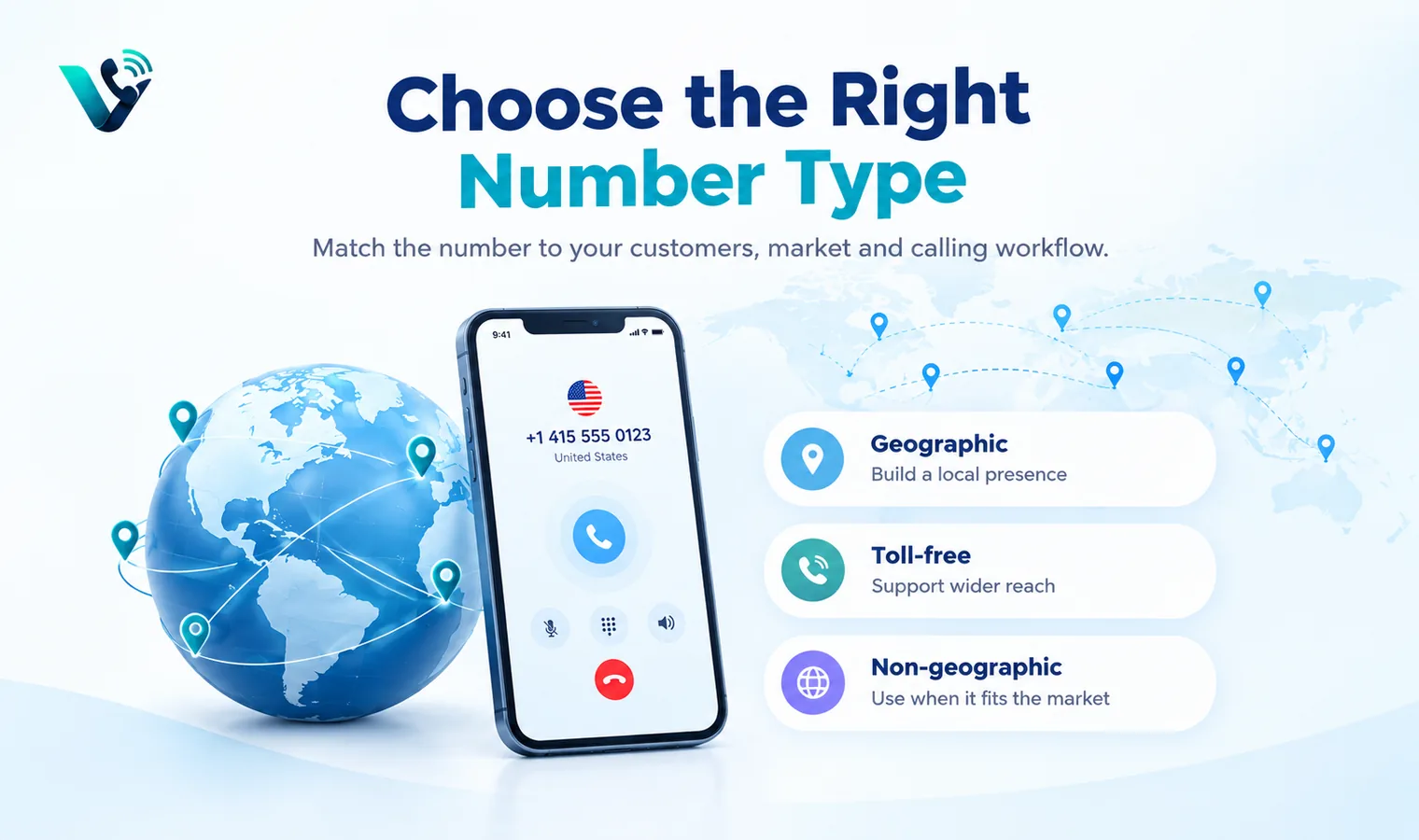
Days 16–20: launch small and observe behaviour
Use a controlled budget and a small set of campaigns. Do not try to cover every city, keyword and audience immediately. Track calls, forms and conversations separately, then compare lead quality rather than only traffic. Listen for repeated questions: pricing, delivery, availability, support hours, local payment methods and trust concerns. These questions are market research that can improve the next version of the offer.
A useful implementation principle is to keep the customer-facing experience simple while making the internal workflow measurable. The phone number, routing rule and CRM record should describe the same journey. If one part changes, test the full path again: from the first impression and incoming call through ownership, follow-up and reporting. This avoids a common failure mode in which the telephony system works technically but the sales process still loses enquiries between systems.
Days 21–25: improve routing and response time
A local number is only useful if someone answers it at an appropriate time. Create routing rules for business hours, after-hours and overflow. If the market spans multiple time zones, route according to the caller's region or the team's availability. Measure the time from enquiry to first human response. LeadMino's speed-to-lead guidance recommends measuring the real response event rather than treating an automated acknowledgement as a human response.
A useful implementation principle is to keep the customer-facing experience simple while making the internal workflow measurable. The phone number, routing rule and CRM record should describe the same journey. If one part changes, test the full path again: from the first impression and incoming call through ownership, follow-up and reporting. This avoids a common failure mode in which the telephony system works technically but the sales process still loses enquiries between systems.
Days 26–30: review economics and operational fit
At the end of the first month, review the number of enquiries, qualified opportunities, meetings, closed business and cost per qualified lead. Also review operational friction: number verification, call quality, missed calls, documentation, customer expectations and CRM completeness. A market that needs a local office may show that need through evidence such as sustained demand, regulatory requirements or service expectations—not simply because a local number exists.
A useful implementation principle is to keep the customer-facing experience simple while making the internal workflow measurable. The phone number, routing rule and CRM record should describe the same journey. If one part changes, test the full path again: from the first impression and incoming call through ownership, follow-up and reporting. This avoids a common failure mode in which the telephony system works technically but the sales process still loses enquiries between systems.
When a virtual number is not enough
A virtual phone presence is not a substitute for every local requirement. Some countries or number types can require local address information, identity documents, business registration or other evidence. Some industries also have specific rules for customer communications and data handling. Before advertising a local number, confirm what the number represents and whether the business can meet any applicable requirements. Local presence should be accurate, not merely cosmetic.
A useful implementation principle is to keep the customer-facing experience simple while making the internal workflow measurable. The phone number, routing rule and CRM record should describe the same journey. If one part changes, test the full path again: from the first impression and incoming call through ownership, follow-up and reporting. This avoids a common failure mode in which the telephony system works technically but the sales process still loses enquiries between systems.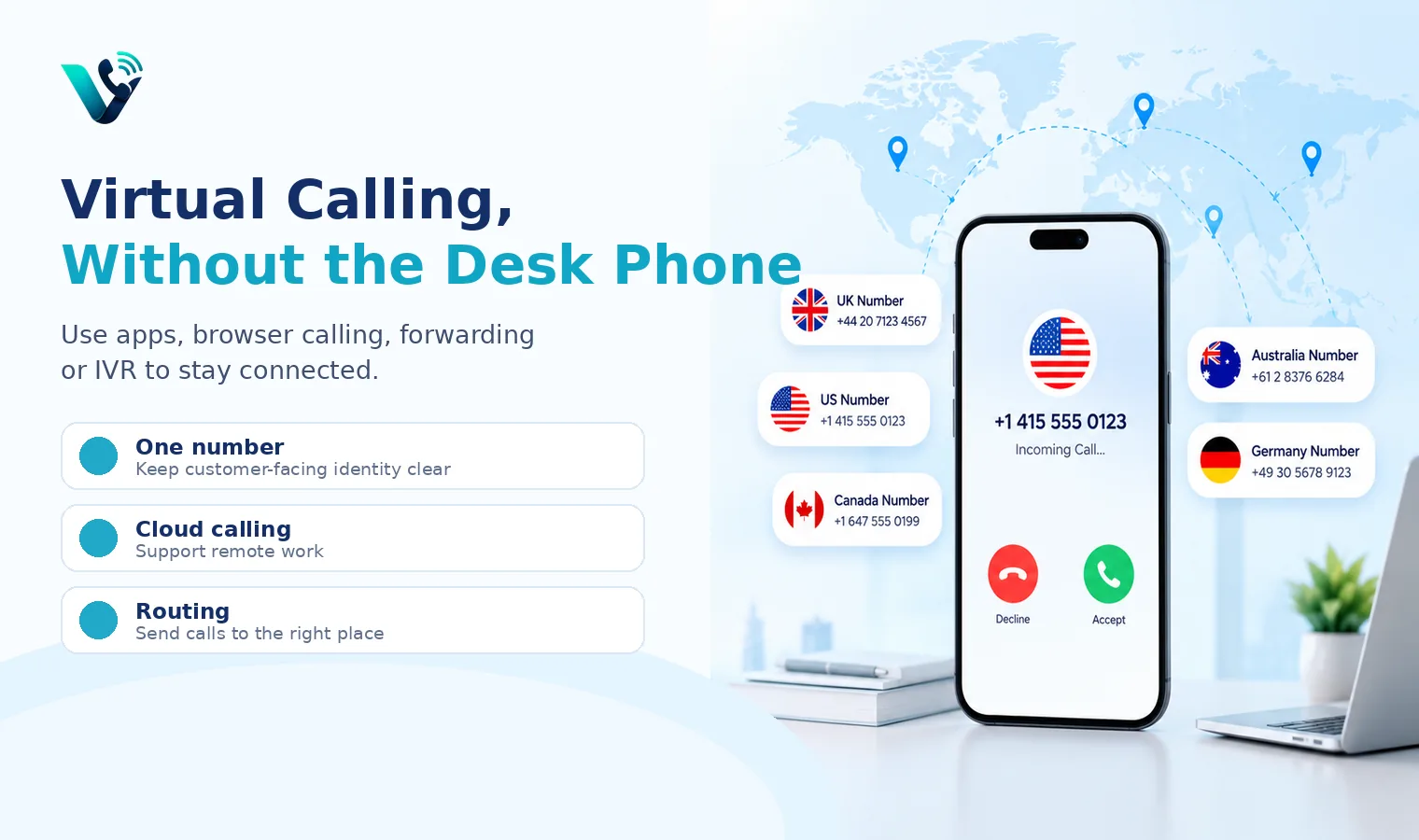
The role of CRM data in a market test
Every lead should have a source, owner, status and next step. Without those fields, the team may mistake activity for traction. A CRM also allows the company to distinguish market interest from sales execution problems. If leads arrive but nobody follows up, the market test has not actually tested demand. If calls are answered but few are qualified, the targeting or offer may need adjustment. If qualified opportunities progress, the company has stronger evidence for the next investment decision.
A useful implementation principle is to keep the customer-facing experience simple while making the internal workflow measurable. The phone number, routing rule and CRM record should describe the same journey. If one part changes, test the full path again: from the first impression and incoming call through ownership, follow-up and reporting. This avoids a common failure mode in which the telephony system works technically but the sales process still loses enquiries between systems.
A repeatable 30-day expansion model
The strongest playbook is repeatable: define the hypothesis, confirm number requirements, launch a focused page, connect phone and forms to the CRM, route enquiries, measure response time, review qualified opportunities and decide what needs deeper investment. This model can be reused across countries while the legal and numbering checks remain market-specific. The office decision should come after evidence about customers, operations and compliance not before.
A useful implementation principle is to keep the customer-facing experience simple while making the internal workflow measurable. The phone number, routing rule and CRM record should describe the same journey. If one part changes, test the full path again: from the first impression and incoming call through ownership, follow-up and reporting. This avoids a common failure mode in which the telephony system works technically but the sales process still loses enquiries between systems.
Practical implementation checklist
Element |
Purpose |
What to check |
Market hypothesis |
Who/what to test |
Define segment, geography and offer |
Local number |
Customer access |
Confirm current eligibility and documentation |
Landing page |
Market message |
Keep one focused page initially |
CRM |
Evidence |
Track source, response time and opportunity status |
Frequently asked questions
- Can I enter a market without a physical office?
- Often yes for communication and market testing, but local numbering, registration and industry rules vary by country.
- How quickly can a new market be tested?
- A 30-day test can validate the operational and demand assumptions without committing to a full office.
- What should I measure first?
- Measure qualified enquiries, response time, meetings and commercial outcomes, not traffic alone.
- Do I need a local phone number?
- Not always. Choose local, national or toll-free options based on the market and applicable rules.
- Why connect the number to a CRM?
- A CRM gives each enquiry an owner, status, source and next step so demand is not confused with missed follow-up.
- When should I open an office?
- Use evidence such as sustained demand, staffing needs, customer expectations and regulatory requirements to inform the decision.