US Area Codes That Still Signal the Right Thing to Buyers
By Jamila Parker · · 2 min read

US area codes for business: what buyers may associate with local, toll-free and regional numbers, and how sales teams can choose numbers without relying on outdated assumptions.
Key takeaways
- Choose a number based on customer needs and the calling workflow.
- Check geographic, regulatory and verification requirements before activation.
- Use routing and cloud calling features to keep business communication organised.
- Avoid unnecessary number sprawl and keep caller identity consistent.
- Review provider documentation for current availability and requirements.
Why This Topic Matters for Business Calling
US area codes for business: what buyers may associate with local, toll-free and regional numbers, and how sales teams can choose numbers without relying on outdated assumptions. For modern sales and support teams, phone numbers are more than contact details. They can affect routing, customer expectations, team workflows, privacy and the way a business manages inbound and outbound communication.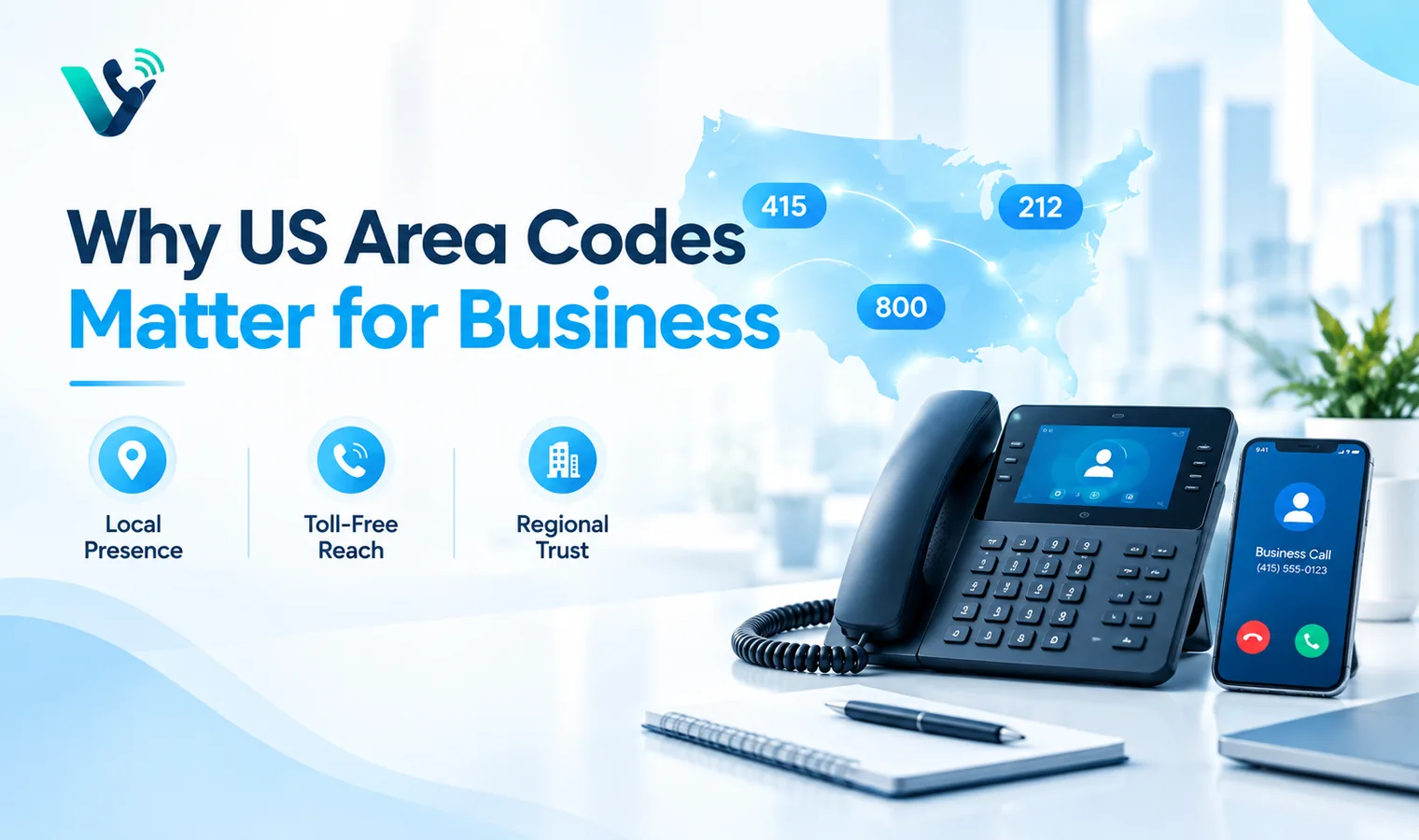
What Businesses Should Understand First
The right setup depends on the business model, target customers, calling volume, locations and telecom requirements. A number that works well for one company may not be appropriate for another. Teams should therefore start with their actual calling workflow rather than choosing a number only because it looks familiar.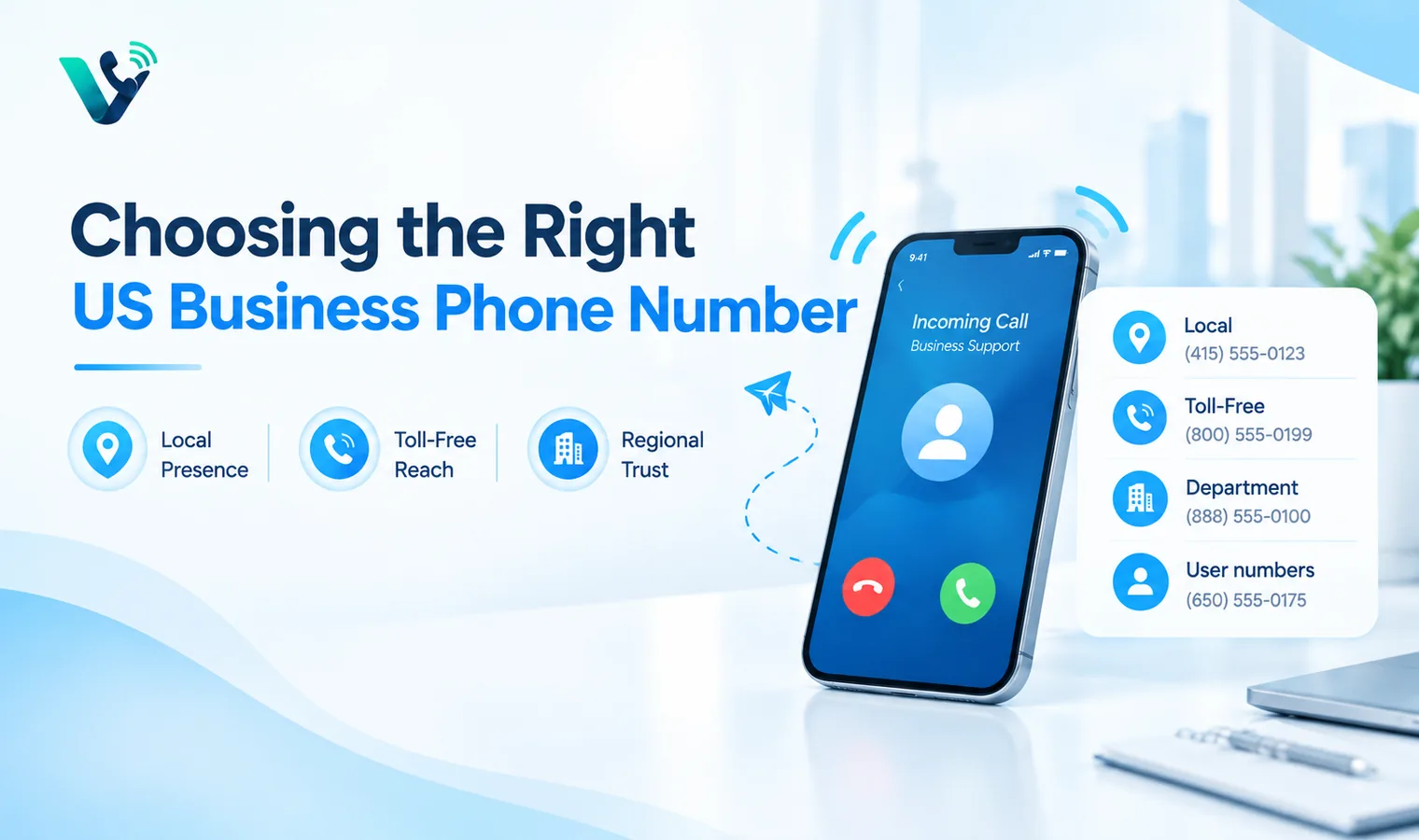
Key Factors to Consider
Consider customer location, number type, call routing, caller ID, portability, verification requirements and how the number will be used across websites, CRM records, advertising and customer support. Keeping these details consistent can reduce confusion and make a phone system easier to manage.
How Virtual Calling Changes the Setup
Cloud-based phone systems can separate the phone number from a single physical handset. Depending on the provider and local rules, businesses may use apps, browser calling, forwarding, IVR and shared team routing. This can make it easier to support remote staff and manage multiple numbers from one platform.
Common Mistakes to Avoid
Avoid choosing numbers without checking geographic or regulatory requirements. Do not assume every virtual number works for every service, country or verification flow. Also avoid creating more numbers than the team can clearly organise, because number sprawl can make caller ID, routing and reporting harder to manage.
Try this on your own numbers
Local numbers in 118 countries, AI call notes and one shared inbox. Live the same day, no contract.
A Practical Decision Framework
Start by listing the customers and locations you need to serve. Next, identify whether you need inbound, outbound or two-way calling. Then decide whether one main number, department numbers, local numbers, toll-free numbers or individual user numbers are required. Finally, confirm provider eligibility, verification and porting requirements before publishing or moving a number.
What to Check Before Choosing a Provider
Check number availability, monthly costs, calling rates, CRM integrations, call recording rules, routing features, caller ID, mobile and desktop apps, porting support, verification requirements and international coverage. The exact features and eligibility can vary by provider and country, so current provider documentation should be checked before purchase.
Frequently asked questions
- What is US area code for business?
- Us area code for business refers to the process or setup described by this guide. The exact options depend on the provider, country and intended business use.
- Why does the type of business number matter?
- The number type can affect customer reachability, routing, caller ID, compliance and how a team handles calls.
- Can a virtual number be used without a separate phone?
- In many cloud-phone setups, users can make and receive calls through a mobile or desktop app without a dedicated physical handset.
- What should I check before getting a business number?
- Check availability, pricing, routing, caller ID, integrations, porting and any identity or address verification requirements.
- Can business numbers be moved between providers?
- Many business numbers can be ported, but eligibility and timing depend on the number, current carrier, new provider and local rules.
- Do international numbers have different requirements?
- Yes. International numbers can have country-specific eligibility, KYC, address-proof and usage requirements.